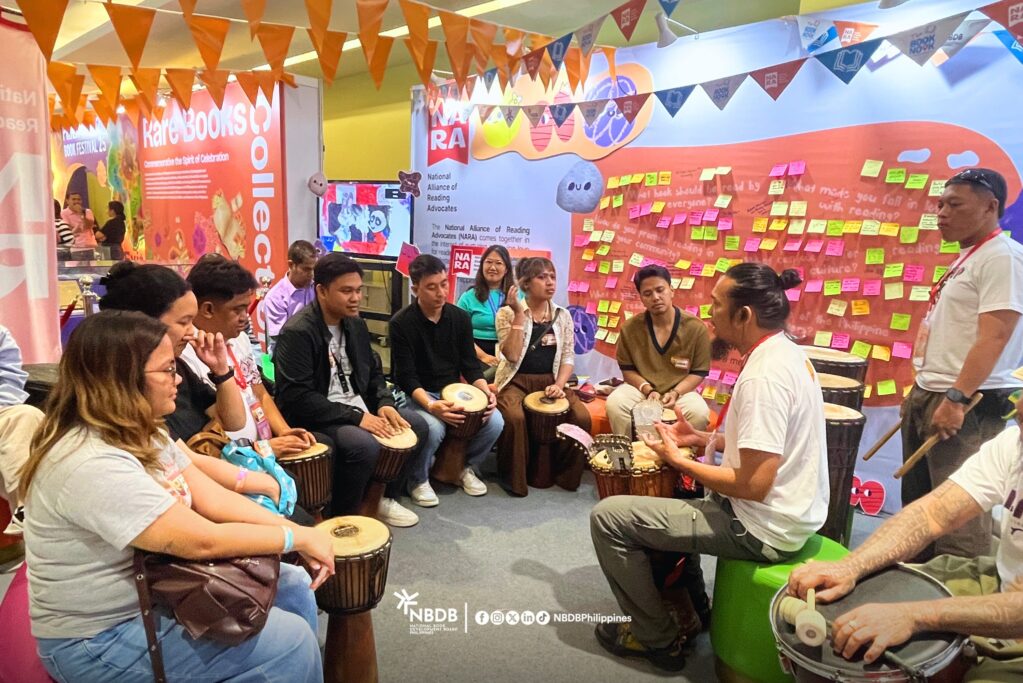
If you’ve ever said, “I wish more people read Filipino books,”—this is your sign that it’s already happening. The Philippine Book Festival 2026 wasn’t just a book event. It was a full-blown cultural moment. Think: book fair meets fandom convention meets creative playground. And honestly? It delivered.
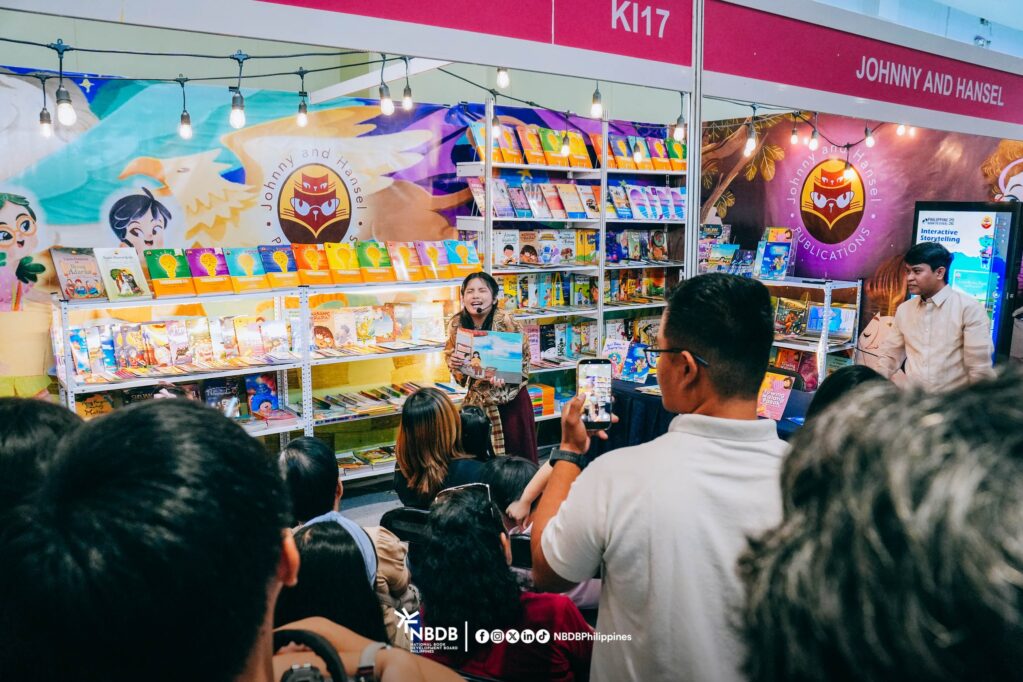
Led by the National Book Development Board (NBDB), this year’s festival gathered over 100 publishers and welcomed nearly 39,000 visitors—a number that didn’t just beat expectations, it surpassed last year’s record-breaking sales.
Translation: Filipino books are having their moment—and readers are here for it.
The Plot Twist? People Actually Showed Up for Local Books
What's Inside
For years, there’s been this narrative that Filipinos don’t read enough, or that local books can’t compete with international titles.
PBF 2026 said: hard disagree.
The turnout alone proved something important—Filipino readers aren’t uninterested. They just needed:
-
Better access
-
More visibility
-
And spaces where books feel alive, not just displayed
And that’s exactly what the festival created.
From the opening ceremony—graced by NBDB Executive Director Charisse Aquino-Tugade and Edgardo Angara—to the last book sold, the energy stayed consistent: excited, curious, and deeply invested.
Angara even stayed long after the formal program, walking around, talking to creators, and connecting with visitors. Not a quick appearance—an actual presence. And in a space like publishing, that kind of support matters more than people think.
A Multilingual Love Letter to Filipino Storytelling
One of the most unexpectedly powerful moments? A live reading of “Kung Ang Libro Ay Dagat.”
Performed in Hiligaynon, Ilokano, and Maguindanao, it felt less like a program segment and more like a statement:
👉 Filipino stories don’t belong to just one language.
👉 Every region, every voice, every dialect has something worth telling.
And hearing those languages spoken on stage, in front of a crowd that actually listened? Goosebumps.
Where Book Lovers Became the Main Characters
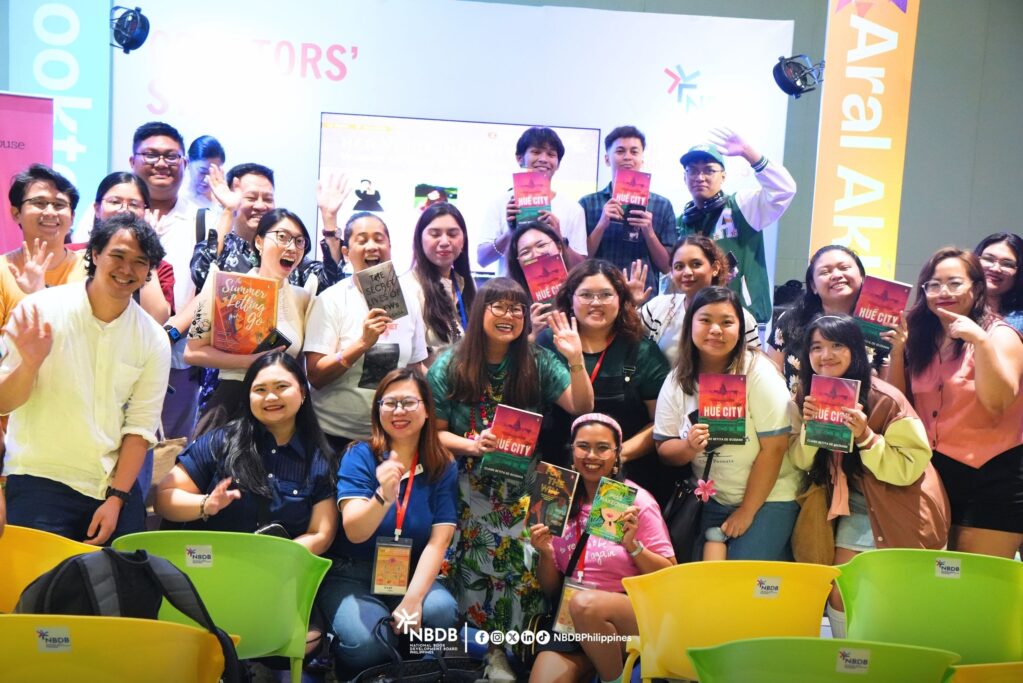
Let’s talk about Lugar Lagdaan—the festival’s signing area—and arguably one of its busiest spots.
Imagine this: long lines, people clutching their favorite books, rehearsing what they’re about to say… and then finally meeting the author who changed their perspective, comforted them, or inspired them to write.
Readers lined up for literary icons like:
-
Ricky Lee
-
Ambeth Ocampo
-
Jose Dalisay
But here’s what made it special: it wasn’t rushed. These authors took time. They talked. They listened. They encouraged.
It wasn’t just “sign and go.” It was connection.
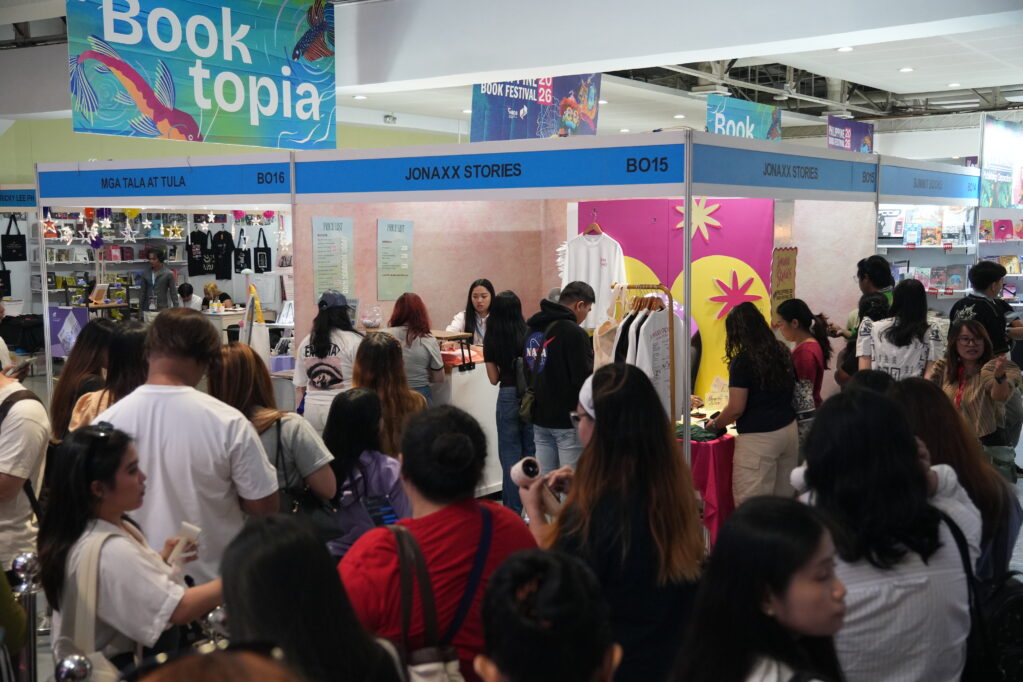
And then there was Jonaxx—whose fans showed up in full force. No signing required. Just pure loyalty, buying books and merch like it was a fan event (because honestly, it kind of was).
Creative Energy Was Everywhere 🎨
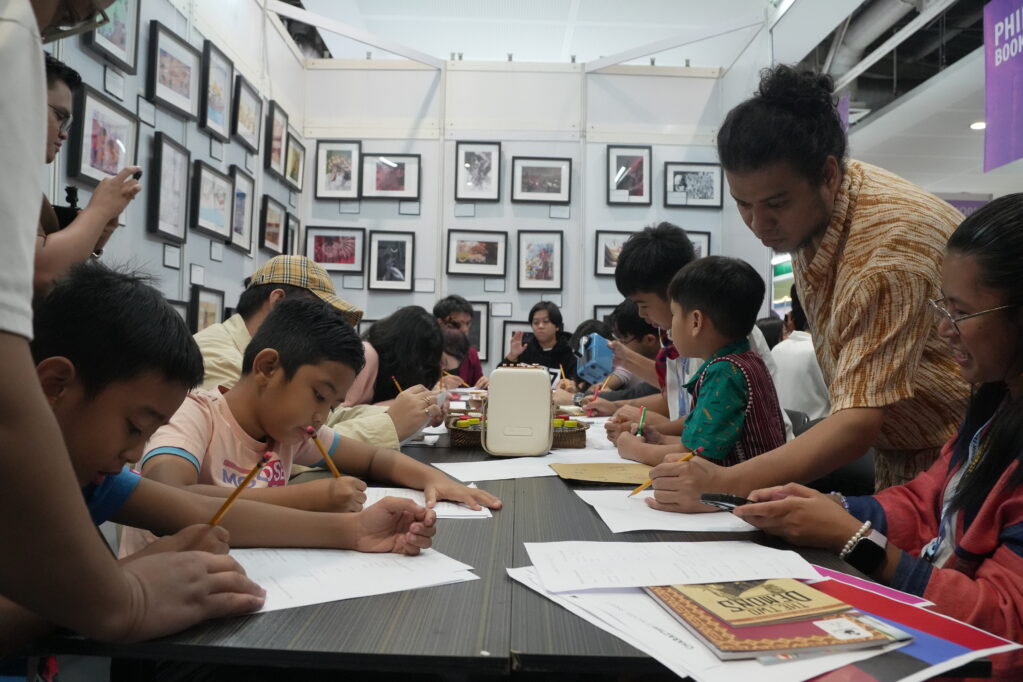
At Bahay Ilustrador, the vibe shifted from reader mode to creator mode.
Workshops led by top illustrators gave attendees a rare peek into the creative process—how characters are designed, how stories are visually built, and how ideas turn into actual art.
And the best part?
People didn’t just watch—they participated.
Some attendees walked in with zero experience and walked out with sketches, ideas, and maybe even a new dream unlocked.
Because sometimes, all it takes is seeing how it’s done to realize:
“Wait… I could do this too.”
Stories That Refused to Stay on the Page
The festival didn’t stop at books—it expanded storytelling into performance, music, and lived experience.
A theatrical adaptation of “Malong: The Magic Cloth” reminded everyone that Filipino stories are meant to be experienced, not just read.
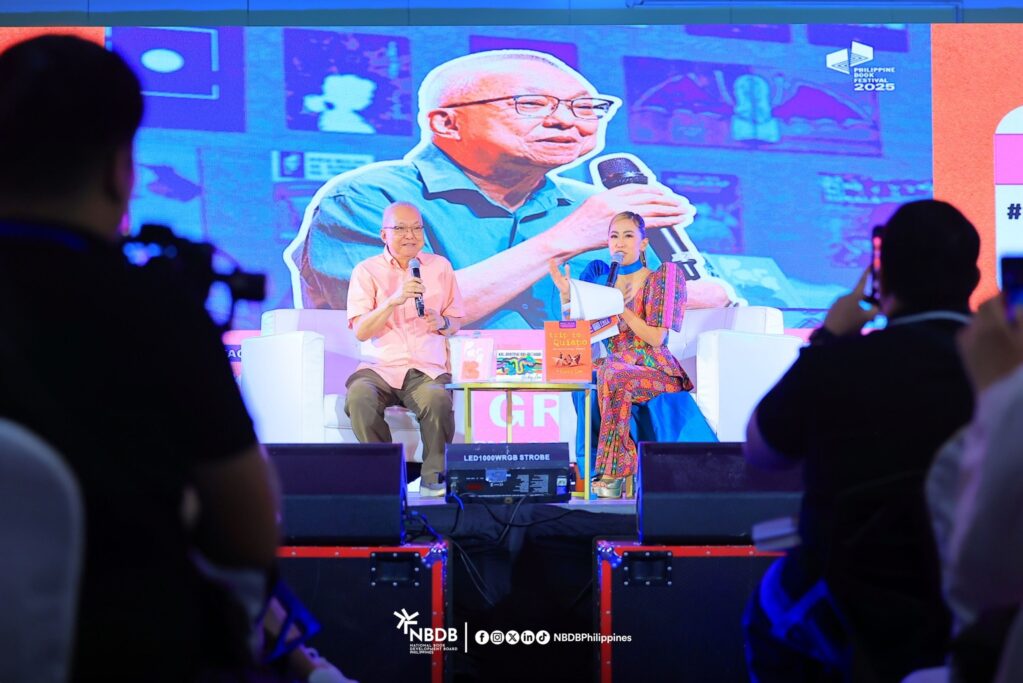
Then came Gloc-9, who turned his book launch into something closer to a concert. Spoken word, rap, storytelling—it blurred the lines in the best way possible.
And in one of the most emotional highlights, poet John Brixter Tino shared his journey as a PWD writer from Quezon. No flashy production. Just raw truth. The kind that stays with you long after you leave.
Recognition That Actually Matters 🏆
The 43rd National Book Awards added even more weight to the festival.
Among the standout moments:
-
Lucia Asul winning for her graphic novel debut
-
Jhoanna Lynn Cruz being recognized for her work on Mindanao identity
-
A lifetime achievement award honoring Virgilio Almario
These aren’t just awards—they’re signals.
Signals that Filipino voices are being heard.
That regional stories matter.
That the literary scene is expanding beyond the usual centers.
Quiet Wins That Actually Change the Game
While the crowds and performances got the spotlight, something equally important was happening behind the scenes.
The NBDB trained 350 book evaluators and gave them early access to a catalog of Filipino titles. This made book selection for schools more efficient—and more intentional.
And if you think that’s small, it’s not.
Because getting Filipino-authored books into classrooms?
That’s how you build a reading culture that lasts.
Filipino Books, But Make It Global 🌍
The international community is paying attention, too.
With representatives like Claudia Kaiser from the Frankfurt Book Fair attending, it’s clear the Philippines is no longer just participating in global publishing—it’s being noticed.
Add to that a new partnership with the Philippine Postal Corporation to release a commemorative stamp, and you’ve got something symbolic:
Filipino books are becoming part of national identity—and global conversation.
The Real Ending? This Is Just the Beginning
If there’s one thing the Philippine Book Festival 2026 proved, it’s this:
Filipino stories don’t need to compete—they just need space to be seen.
And when they are?
People show up.
They buy books.
They connect.
They create.
They care.
So whether you’re a casual reader, a die-hard bookworm, or someone who’s been secretly wanting to write your own story—this is your sign.
The Filipino literary scene isn’t niche anymore.
It’s growing. It’s thriving. And it’s calling you in.
And honestly? You don’t want to miss what happens next.
About the National Book Development Board
The National Book Development Board (NBDB) is the Philippines’ book authority mandated to develop and strengthen the local book publishing industry. It works to expand access to quality Philippine books, promote a culture of reading, and support the growth of local publishing, while ensuring that Filipino authorship and literary production remain visible, competitive, and sustainable in both national and international contexts.
Follow @nbdbphilippines (Facebook, Instagram, X, and TikTok) or visit books.gov.ph to learn more.